
Water Pills Without the Risk: How to Stay Safely Hydrated on Diuretics
Diuretics, often referred to as “water pills,” are medications that help your body remove extra fluid by increasing urine output. They are commonly used for conditions like heart failure, high blood pressure, and kidney disease, where fluid buildup can cause swelling, shortness of breath, or strain on the body. While these medications are very helpful, they can also affect your hydration and electrolyte balance if not taken properly.
In this article, we will explain how diuretics work, why they are prescribed, and how to safely stay hydrated while taking them. You will also learn simple ways to support your body and recognize warning signs of too much fluid loss.
Types of Diuretics and Why They Are Prescribed
Different types of diuretics are used depending on your condition:
Loop diuretics (like furosemide): Often used in heart failure to remove large amounts of fluid quickly
Thiazide diuretics: Common for high blood pressure and mild fluid retention
Potassium-sparing diuretics: Help remove fluid while keeping potassium levels more stable
How Diuretics Work in the Body
Diuretics act on the kidneys to help remove sodium (salt) and water from the bloodstream. When sodium leaves the body, water follows. This helps reduce swelling, lower blood pressure, and decrease the workload on the heart.
However, this process can also lead to loss of other important electrolytes like potassium, sodium, and magnesium, which are needed for muscle function, heart rhythm, and overall balance.
Why Proper Use Matters
Taking diuretics the right way is very important for your safety. Too much fluid loss can lead to dehydration and electrolyte imbalances. Daily weight monitoring is also an important part of staying safe while on diuretics. We recommend weighing yourself at the same time every day, preferably in the morning after using the restroom and before eating. Sudden weight changes can be an early sign of fluid imbalance. Rapid weight gain may mean fluid retention, while quick weight loss may signal too much fluid loss.
Keeping a simple daily log of your weight can help your healthcare provider adjust your medication safely and prevent complications.
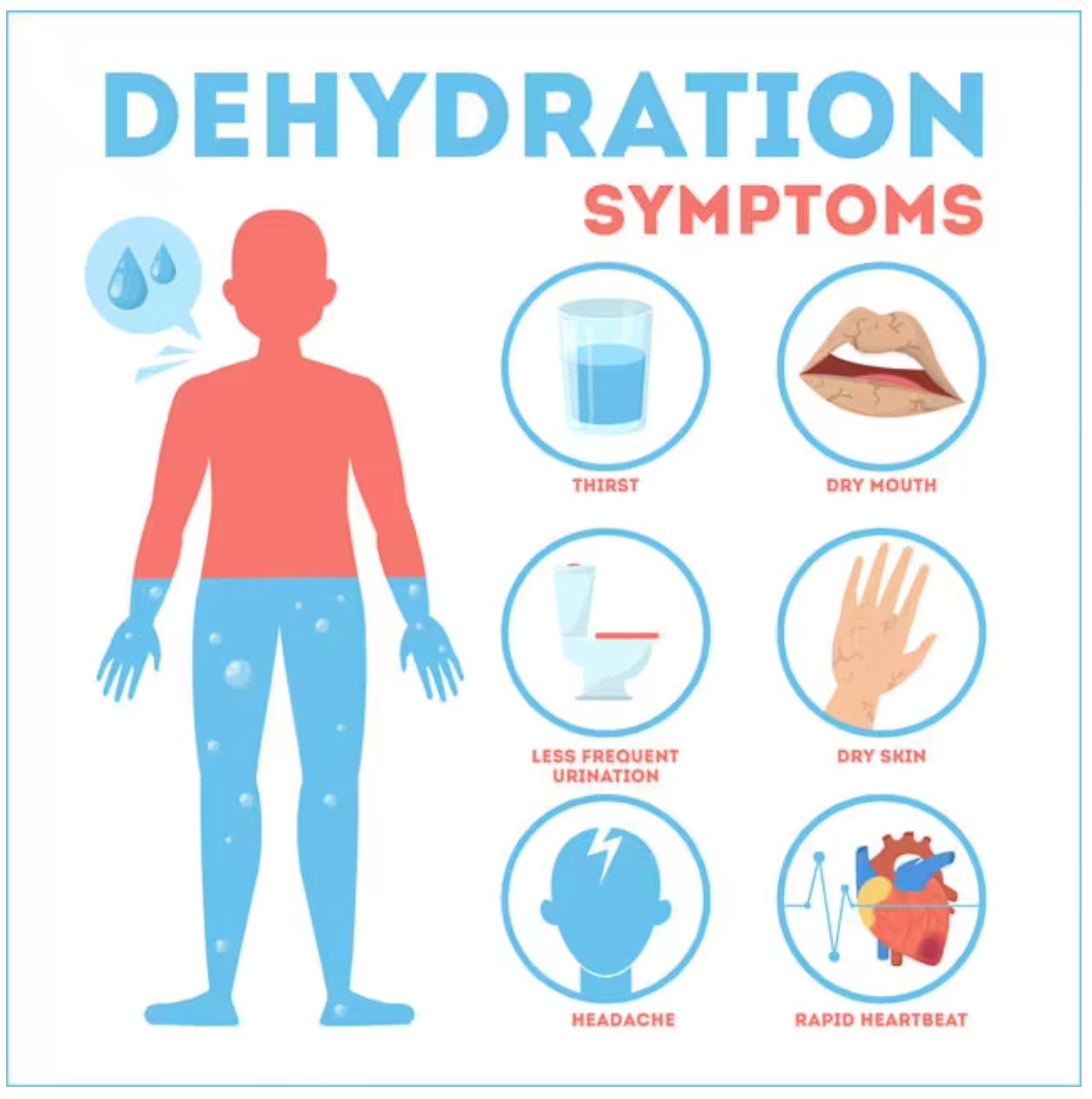
Signs of Too Much Fluid Loss
Dehydration often starts with small signs that are easy to overlook.
Watch for:
Dry mouth or skin
Increased thirst
Feeling tired or weak
Dizziness or lightheadedness
Headaches
Decreased urination
More serious signs may include confusion, rapid heartbeat, or very little urine output. These symptoms should not be ignored.
It is also important to monitor your blood pressure regularly while taking diuretics. If you notice symptoms like dizziness, weakness, or lightheadedness, check your blood pressure right away. Low blood pressure can be a sign that your body is losing too much fluid.
How to Stay Hydrated Safely
Staying hydrated while on diuretics is about balance, not just drinking more water.
Smart Hydration Tips
Drink water consistently throughout the day (not all at once)
Follow your provider’s fluid restrictions if you have heart or kidney conditions
Use electrolyte-rich drinks when recommended (especially if you feel weak or crampy)
Eat high-water foods, such as:
Watermelon
Cucumbers
Oranges
Lettuce
Avoid Overhydration
Drinking too much fluid can be just as harmful, especially for people with heart failure or kidney disease. Overhydration can cause swelling, breathing issues, and strain on the heart.
Always follow your doctor or nurse’s instructions about how much fluid is right for you.
For more support at home, visit our guide on Post-Surgical Recovery at Home: Safe and Confident Healing
How Regal Rejuvenation Supports You
Managing medications like diuretics can feel overwhelming, especially after a hospital stay or during chronic illness. That’s where we come in.
At Regal Rejuvenation Nursing, we provide private, nurse-led care throughout Los Angeles County and surrounding areas. Our services include:
Medication management and education
Fluid and electrolyte monitoring
Post-hospital and chronic care support
Personalized hydration and wellness plans
Our care follows evidence-based standards set by organizations like the National Council of State Boards of Nursing and California Board of Registered Nursing. We bridge the gap between hospital and home so you can recover safely, comfortably, and confidently.
References
American Heart Association – Heart Failure and Diuretics Guidance
National Kidney Foundation – Diuretics and Kidney Disease
StatPearls Publishing – “Diuretics” clinical overview (peer-reviewed medical resource)
