
Preventing Hospital Readmission: How Private Nurses Monitor for Early Infection Signs
Hospital readmissions are often preventable, but patients recovering at home remain at increased risk after serious illness or surgery. Community-acquired infection after discharge is a frequent cause of avoidable readmissions. Without proper monitoring, minor infections can quickly escalate and require hospitalization.
Community Acquired Infections After Discharge
When patients leave the hospital or rehabilitation facility, they are still at risk. Surgical wounds, chronic disease, immune suppression, and new medication regimens increase the likelihood of infection.
Common infections seen after discharge include":
Surgical site infections
Urinary tract infections
Pneumonia
Skin and soft tissue infections
If not treated early, these infections can progress to sepsis, a life-threatening response to infection that requires emergency intervention.
Early recognition is key to prevention.
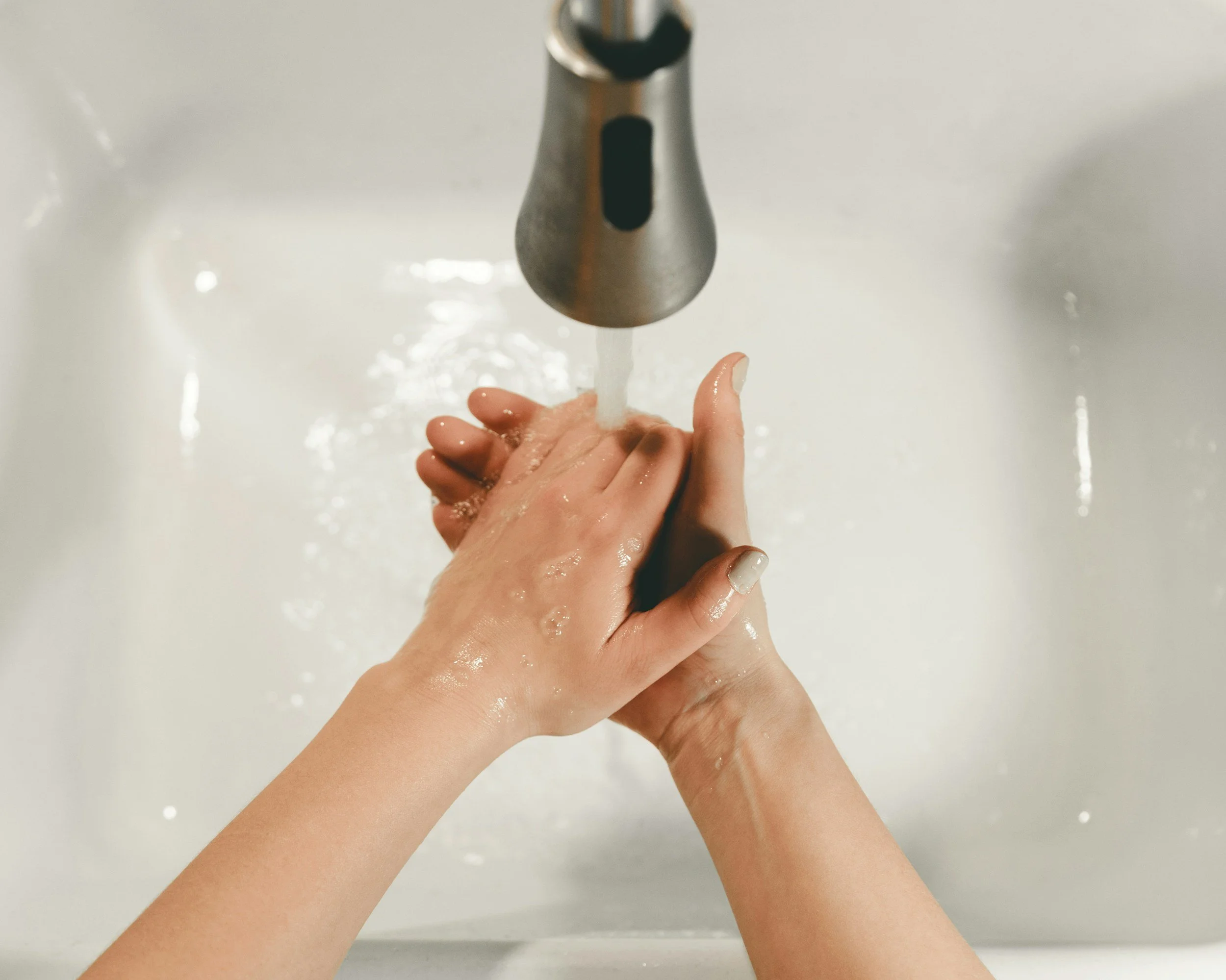
Small Action, Big Impact
Hand hygiene is the undisputed "gold standard" for infection control. In a home care setting, it is the simplest and most effective tool a nurse has to protect a patient’s recovery and prevent a return trip to the hospital.
Prevention Through Proper Hand Hygiene and Aseptic Technique
Infection prevention begins with proper technique. RNs are trained to follow evidence based standards for:
Hand hygiene according to CDC guidelines
Clean versus sterile technique
Safe wound care practices
Prevention of cross contamination in the home
Education of family members and caregivers
Early Detection Through Skilled Nursing Assessment
Infections usually begin with subtle changes. Without clinical training, these warning signs are often missed.
Signs to monitor for:
Fever or low grade temperature elevation
Increased heart rate
Blood pressure changes
New confusion, especially in older adults
Redness, warmth, swelling, or drainage from a surgical site
Increased weakness or fatigue
Routine vital sign monitoring and full nursing assessments allow early identification of complications. When detected early, many infections can be treated with outpatient care instead of emergency hospitalization.
The Role of Private Nursing in Reducing Readmissions
In Los Angeles County, hospital systems are busy and recovery periods are often shortened. Patients are frequently discharged while still medically fragile.
Skilled in home nursing adds a layer of clinical monitoring that supports continuity of care.
A private RN helps reduce readmission risk by:
Monitoring for early infection signs
Preventing polypharmacy related complications
Performing routine wound assessments
Communicating concerns promptly to physicians
This level of oversight protects recovery and supports safer outcomes at home.
Skilled Infection Monitoring at Home
At Regal Rejuvenation, our BSN prepared Registered Nurses provide skilled in home nursing care throughout Los Angeles County. We focus on infection prevention, early complication detection, and individualized care planning to support safe recovery after hospitalization or surgery.
When clinical monitoring is present, small problems are addressed before they become emergencies.
References:
Tacconelli, E., Cataldo, M. A., Dancer, S. J., et al. (2022). SHEA/IDSA/APIC practice recommendation to prevent healthcare-associated infections. Infection Control & Hospital Epidemiology, 43(12), 1361-1388.
Erasmus, V., Daha, T. J., Brug, H., et al. (2010). Systematic review of studies on compliance with hand hygiene guidelines in hospital care. Infection Control & Hospital Epidemiology, 31(3), 283-294.
Todd, A., Husband, A., Iredale, J., & Macleod, U. (2021). Polypharmacy and hospital readmission after intensive care: Exploring the evidence. Journal of the American Medical Directors Association, 22(12), 2712-2718.
Fried, T. R., O’Leary, J., Towle, V., et al. (2014). Health outcomes associated with polypharmacy in community-dwelling older adults: Risk of readmission. Journal of Gerontology: Medical Sciences, 69(4), 479-485.
