
IV and Drain Care at Home: Preventing Infection and Protecting Your Recovery
Managing an IV line or surgical drain at home can feel overwhelming. Many families worry about infection, pulling the line accidentally, or not knowing when to change a dressing. It’s normal to feel anxious when hospital-level care becomes part of your daily routine.
In this article, we’ll explain why sterile dressing changes matter, why long-term lines and drains are used, how infections develop, and simple steps you can take to keep your site clean, dry, and protected.
Why You May Have a Long-Term IV Line or Drain
Long-term lines and drains are placed for medical reasons such as:
IV antibiotic therapy through a PICC or central line
Urinary drainage with a Foley catheter
Post-surgical drainage from an incision site (e.g., JP drain)
According to the Infusion Nurses Society (INS) Standards of Practice (2021), vascular access devices require consistent monitoring and sterile maintenance to reduce complications. The Wound, Ostomy and Continence Nurses Society (WOCN) also emphasizes proper wound and drain site management to support healing and prevent infection.
Why Clean, Dry, and Intact Dressings Matter
Any time a tube enters the body, it creates a break in the skin — your body’s natural protective barrier. Moisture, blood, perspiration, and environmental dirt can create conditions where bacteria grow.
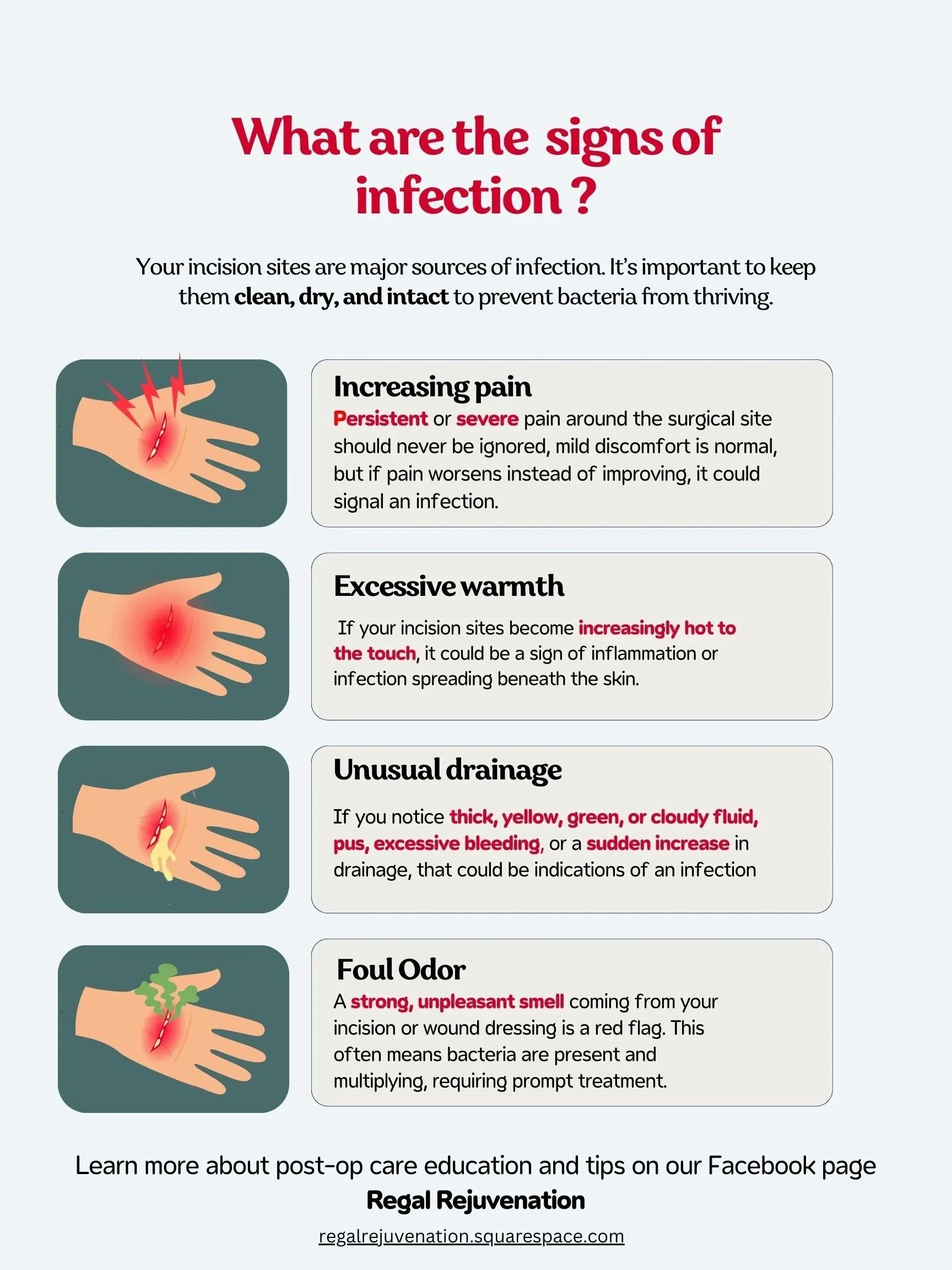
Evidence-based nursing standards emphasize that keeping dressings:
Clean
Dry
Intact and fully sealed
is essential to preventing infection and protecting the bloodstream or urinary tract.
Failure to maintain site integrity can increase the risk of catheter-related infections or delayed wound healing.
Discover more tips and education on how to to prevent infections.
How Often Should Dressings Be Changed?
According to the Infusion Nurses Society Standards of Practice (2021):
Transparent semipermeable dressings are generally changed every 5–7 days
Gauze dressings should be changed every 48 hours and immediately if damp, loosened, or soiled
Any dressing must be changed right away if it becomes wet, dirty, or no longer sealed
Always follow your provider’s specific orders, as some surgical drains or wounds may require different intervals.
Simple Tips to Keep Your IV or Drain Safe
Here are basic safety steps recommended by the CDC and nursing standards:
Wash your hands before touching the line or dressing
Do not let the site get wet in the shower (cover as instructed)
Never reuse tape or household supplies
Check daily for redness, swelling, warmth, or unusual drainage
Call your provider if you develop fever or chills
If you are recovering from surgery, you may also benefit from our Post-Surgical Recovery at Home Guide .
When Professional Skilled Nursing Services at Home Can Help
Managing IV lines and drains can feel overwhelming — especially after a recent hospital discharge.
At Regal Rejuvenation, our Registered Nurses provide private nursing care in Los Angeles County and surrounding areas, including:
Sterile dressing changes
PICC line and IV maintenance
Foley catheter and surgical drain care
Infection prevention monitoring
Education for patients and families
Our nurses follow evidence-based standards set by the Infusion Nurses Society, CDC guidelines, and professional regulations established by the California Board of Registered Nursing and the National Council of State Boards of Nursing (NCSBN) to ensure safe and compliant care.
If you’re looking for skilled nursing services at home in Los Angeles County, we’re here to help you feel confident and supported.
References:
Infusion Nurses Society. Infusion Therapy Standards of Practice. 2021.
https://www.ins1.org/publications/infusion-therapy-standards-of-practice/
National Council of State Boards of Nursing. Nursing scope of practice resources.
https://www.ncsbn.org/nursing-regulation/practice.page
California Board of Registered Nursing. Standards of competent performance.
https://www.rn.ca.gov/practice/
